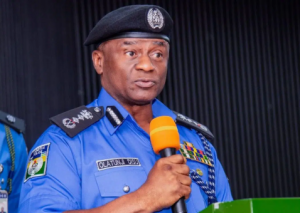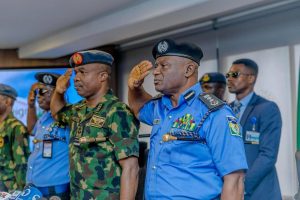
After 35 years in uniform, 24 police officers have retired from active service in Lagos, marking the end of decades spent investigating crimes, protecting communities and confronting some of the country’s most difficult security challenges.
Yet, for the Inspector-General of Police, IGP Olatunji Rilwan Disu, PSC (+), NPM, retirement should not mean separation from the institution they served.
“You remain part of the police family,” Disu told the retirees in a goodwill message delivered on Thursday at the Lagos State Criminal Investigation Department (SCID), Yaba, where the officers were honoured for their years of meritorious service.
The IGP congratulated the retirees on completing 35 years of service, describing their careers as a testament to commitment and dedication to duty. He said their contributions formed part of the broader effort to protect lives and property, investigate crimes and maintain law and order across the country.
Disu also assured them that the experience and professional knowledge acquired during their careers remain valuable, while acknowledging the sacrifices made throughout their years in uniform. He wished them fulfilment and success as they begin a new phase of their lives.

At the ceremony, the Deputy Commissioner of Police in charge of the SCID, Yaba, DCP Dayo Akinbisehin, described the retirement as a significant milestone for the Lagos State Police Command and the department.
He said the 24 officers represented decades of sacrifice, bravery and commitment, particularly in a field where long hours, difficult assignments and exposure to security risks are part of the job.
Akinbisehin highlighted the demanding nature of criminal investigation at the SCID, Panti, one of Lagos State’s major police investigative departments. The unit handles complex, sensitive and high-profile cases, requiring officers to gather evidence, pursue suspects and build cases that can withstand scrutiny in the administration of justice.
The retirees, he said, contributed significantly to that work throughout their careers.
But the DCP also drew attention to a less visible part of police service—the families who support officers through it.
He described the spouses, children, relatives and friends of the retirees as “unsung heroes”, noting that police work often means long absences, unpredictable schedules, difficult assignments and the constant risks associated with law enforcement.
Their support, he said, helped officers remain focused on their responsibilities and deserved recognition alongside the achievements of the retirees.

Akinbisehin also used the occasion to call for stronger public support for the police, arguing that improved welfare and closer cooperation between officers and communities are essential to effective policing and greater public confidence.
That message was reinforced by one of the retirees, ASP Udoh Patrick, who urged serving officers to pay greater attention to their relationship with the public.
Patrick advised police personnel to approach citizens with humility, honesty, moderation and respect, warning against harsh treatment that could further widen the distance between the police and the communities they serve.
He also urged Nigerians to see the police as partners in maintaining peace and security rather than adversaries, stressing that regular engagement between officers and communities can help rebuild trust.
For Patrick, professionalism must extend to the handling of police exhibits and recovered items. He urged serving officers to maintain strict integrity and accountability in the management of evidence, noting that any compromise could damage investigations, undermine justice and erode public confidence.
Another retiree, DSP Rita Momah, reflected on her approximately 35 years of service in Lagos with a mixture of excitement and reflection. She said retirement offers an opportunity to rest after decades of active duty, while also marking the beginning of a new chapter shaped by the experiences and lessons gathered throughout her career.
The ceremony ultimately became more than a farewell to 24 officers. It offered a reflection on what police service demands, what it leaves behind and what should be carried forward.
For the retirees, 35 years in uniform may have come to an end. But their experience, counsel and connection to the institution remain part of the legacy of the Nigeria Police Force.
And perhaps that is the deeper meaning of the IGP’s message: retirement may end active service, but it does not erase a lifetime of service to the nation.